Are you ready to take the leap and start preparing your own fresh homemade dog food? Crafting your own dog food is an incredibly rewarding process, and it’s essential to approach it properly! Let’s dive into the basics to ensure you get started off on the right paw.

Step One: Consult Your Veterinarian
Before making any significant changes to your dog’s diet, it’s essential to consult with your veterinarian. Doing so guarantees that you have a comprehensive understanding of your dog’s current health and allows you to customize your recipes to meet their specific needs. While some may hesitate to take this crucial step, it is vital for establishing your dog’s baseline health and effectively exploring homemade diet resources.
Step Two: Understanding Your Dog’s Nutritional Needs
Dogs need a balanced diet comprised of protein, carbohydrates, fats, vitamins, and minerals. The Association of American Feed Control Officials (AAFCO) sets voluntary nutritional standards for pet foods, but manufacturers are responsible for formulating and labeling their products accurately. Established in 1917, AAFCO’s regulations have evolved with new research. In 2007, the Canine Nutrition Expert Subcommittee was formed to update dietary guidelines for pets, focusing on minimum nutritional requirements for companion animals. As of 2024 there have been major updates the AAFCO guidelines in regards to commercial manufacturers. If you are interested in deep diving this information check it out here https://www.hollandhart.com/aafco-updates-to-model-regulations#:~:text=2024%20has%20ushered%20in%20the,the%20AAFCO’s%20suggested%20labeling%20standards.
So how does this connect back to homemade dog food? The minimum guidelines for nutritional targets are why AAFCO matters to those of us cooking food for our dogs. Ensuring that your recipe, either as whole food or paired with supplements, meets these targets.
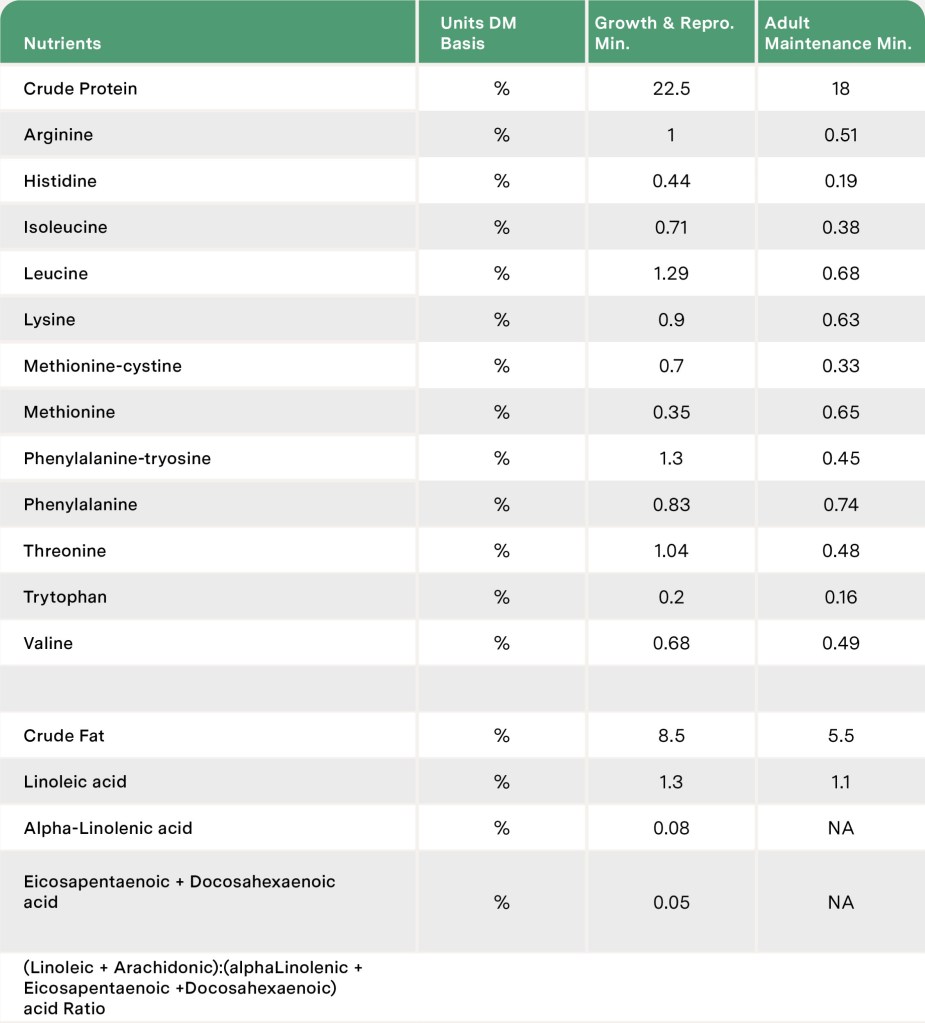
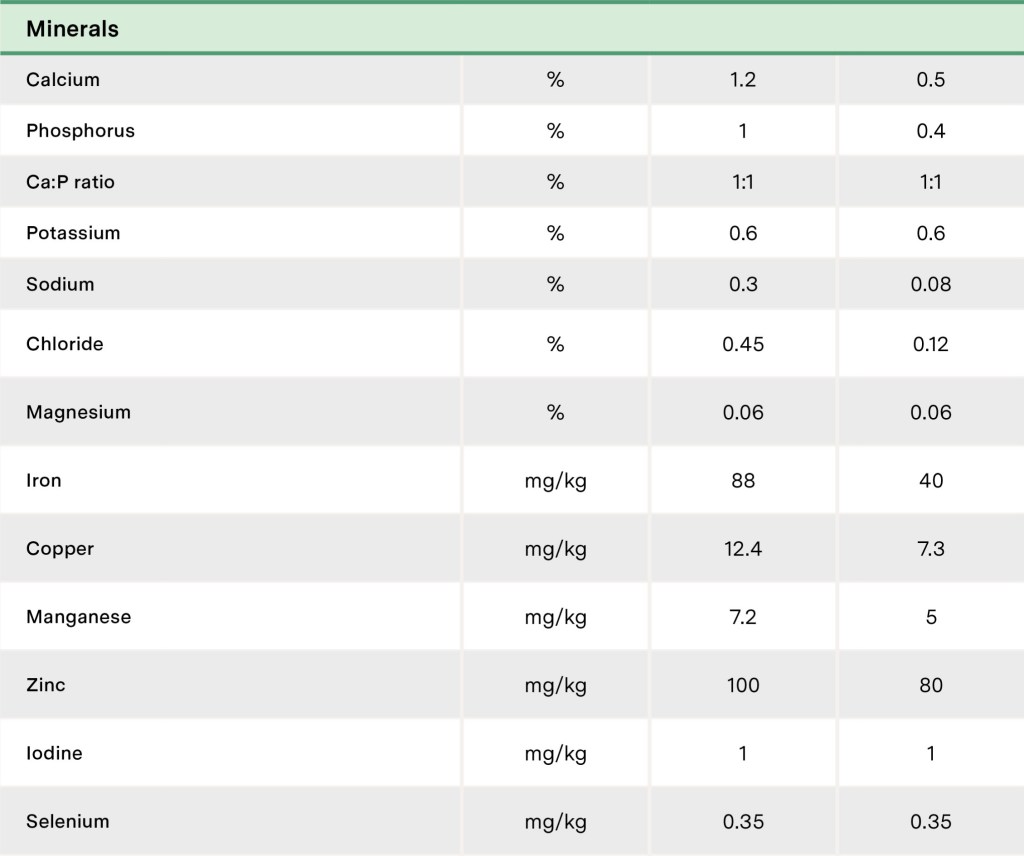
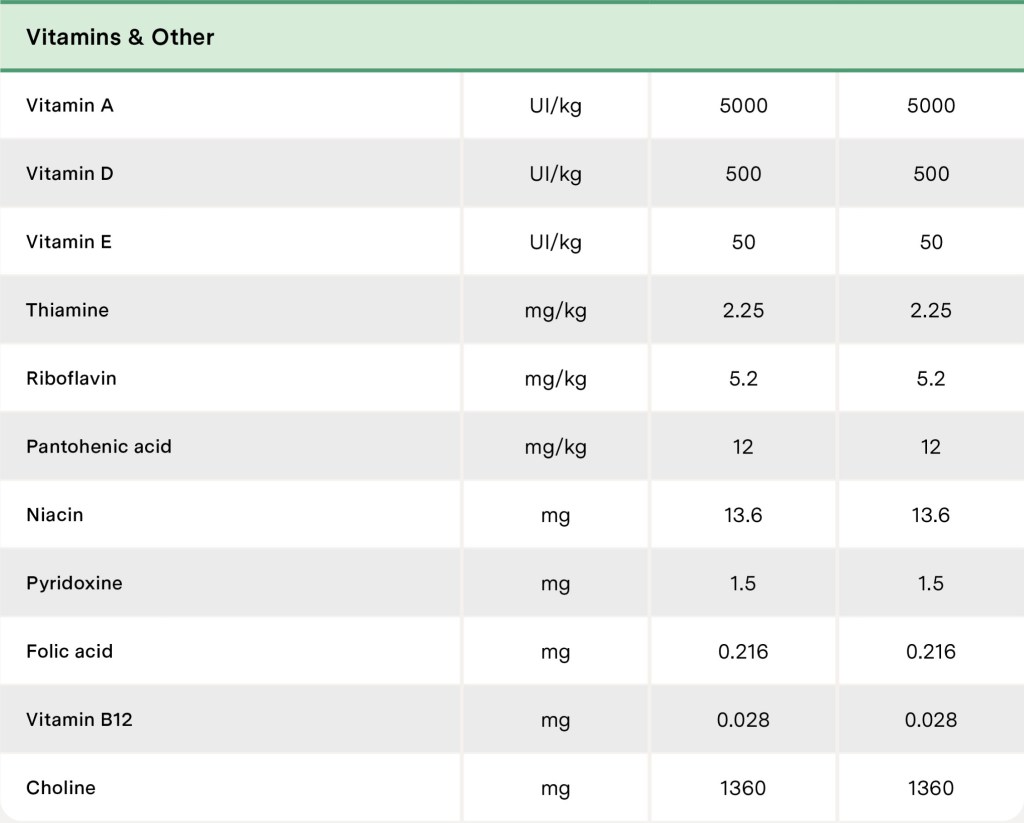
Chart courtesy of https://kabo.co/
Other tools we love to use when creating recipes that hit these nutritional targets is mealment.com

Step Three: Choose quality ingredients
While feeding organic and non GMO may be important to many its not always feasible. Choosing quality ingredients for your dogs meal plan does not mean you have to spend a fortune.
 homemade dog food simplified
Leave a comment